

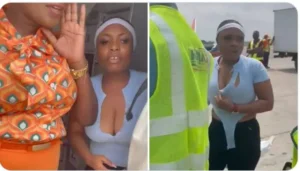
When the Ibom Air drama between Comfort Emmanson and the flight crew blew up online, Nigerians split into two camps—Team “She Deserved It” and Team “This Is Oppression.”
But buried under the noise is a reality many Nigerians don’t want to hear: some of us are constantly breaking airport and airline rules without even knowing it.
From the moment we step into an airport, our village habits clash with international aviation regulations. And while not every slip-up will land you on a “no-fly” list, it could still cost you money, time, or even your freedom.
So, let’s talk about 5 common airport rules Nigerians break all the time—and why you might be one angry tweet away from being the next viral flight scandal.
1. Filming Airport Security & Staff Without Permission
Yes, your Instagram followers might love that “airport drip” video or your TikTok rant at the check-in desk—but did you know that filming security checks, immigration officers, or restricted airport zones is prohibited in most airports worldwide?
Many Nigerians don’t know this because, well… “Na just small video, who e go harm?” But airports are classified as sensitive security zones, and your viral content could actually violate national security laws.
Next time you pull out your phone at the boarding gate, remember: not everything needs to make it to Snapchat—especially if it might get you in handcuffs.
2. Ignoring Cabin Crew Instructions
Think ignoring the air hostess is harmless? Think again.
The Civil Aviation Act (and international aviation law) gives crew members legal authority while in the air. This means that when they ask you to sit, wear a seatbelt, or store your bag properly, it’s not a “suggestion”—it’s a lawful order.
In Nigeria, passengers often see crew instructions as “customer service” instead of law enforcement. That’s why small disagreements can quickly escalate into “unruly passenger” reports—and potentially, a ban.
3. Transporting “Banned” Items Without Knowing
Many Nigerians have carried something in their luggage without realising it’s forbidden.
From ground pepper in suspicious packaging to rechargeable fans with lithium batteries in checked luggage, ignorance is not an excuse.
Some items—like certain liquids, sharp tools, and even dried fish—can trigger security alerts. And once security pulls you aside, “But I no know” won’t save you from fines or confiscation.
4. Arriving Too Late And Expecting “Special Nigerian Time” Privilege
In local road travel, if the bus hasn’t left yet, you can run in last minute and still get your seat. In air travel? No be so.
If check-in closes 45 minutes before departure and you stroll in 30 minutes to go, you’re technically breaking airline rules. And yes, even a senator, pastor, or celebrity can be denied boarding without a refund.
Did You Miss? Ibom Air Incident: Does The Airline Operators Of Nigeria Have The Right To Put Any Nigerian On A “No-Fly” List?
This is one of the most common reasons Nigerians end up in heated arguments with airport staff—forgetting that aviation schedules are regulated, not negotiated.
5. Using Aggressive Language Or Threats When Complaining
In Nigeria, “blasting” a service provider is often seen as a way to get quick results. But in an airport, aggressive language towards airline staff can legally be classified as verbal assault or “disruptive passenger behavior.”
Even if you never physically touch anyone, raising your voice, using insults, or making threats can get you escorted out by security—and yes, in extreme cases, blacklisted.
Final Boarding Call
The Ibom Air incident might feel like a unique scandal, but the truth is, it exposed a deeper problem; Nigerians often treat air travel like road travel. The difference? Airlines and airports operate under strict international regulations, and breaking them—intentionally or not—can have consequences far bigger than you imagine.
So before you become the next trending passenger video, remember: in the skies, there’s no “do you know who I am?”—there’s only “did you follow the rules?”