

Just seven months after joining BRICS, Nigeria now finds itself caught in the crossfire of a fresh U.S. trade offensive.
On July 31, President Donald Trump signed a sweeping executive order imposing a 15% tariff on Nigerian imports—part of a broader crackdown on countries Washington accuses of tilting the trade balance against America.
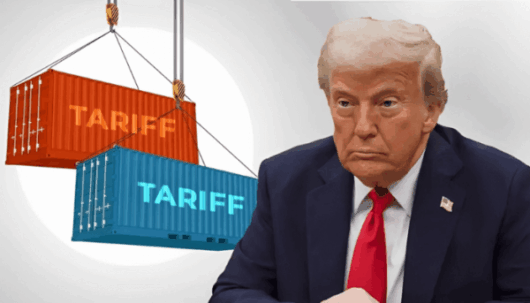
This move, set to take effect from August 7, directly targets countries that run a trade surplus with the United States.
Nigeria falls into that category, posting a $3.29 billion surplus according to data from the Observatory of Economic Complexity.
Although the White House claims it wants to “restore fairness,” the wider context suggests a deeper motive.
Earlier this year, Nigeria aligned itself more closely with the BRICS bloc by becoming an official partner—an action that the U.S. clearly interpreted as a political pivot.
Since then, Trump has sharpened his rhetoric.
BRICS Alliance Sparks U.S. Warning
In early July, Trump threatened to impose an additional 10% tariff on exports from any country that supports what he calls the “anti-American policies of BRICS.”
He specifically named Nigeria.
If he follows through, Nigerian exports to the U.S. could face a total tariff of 25%—one of the steepest under his administration.
Transshipments Now Under Fire
Meanwhile, the new tariff framework goes beyond headline figures.
Trump’s policy also introduces a 40% penalty on transshipment practices.
Read Also: Meta Posts $47.5B Q2 Revenue On Ads, User Growth
This measure aims to stop countries from routing goods through third-party nations to bypass high tariffs.
As a result, Nigerian exporters who rely on regional hubs to manage logistics may face unexpected costs.
Previously, the U.S. had introduced a 14% tariff in April as part of the same strategy.
While the administration temporarily suspended those duties to allow for negotiations, Nigerian officials chose not to engage.
That pause has now ended—and Trump has doubled down.
Oil Uncertainty And Export Strain
For Nigeria, the consequences extend far beyond customs borders.
The country earns over 90% of its foreign exchange from crude oil exports, much of which go to the United States.
Although the April tariff excluded oil, the latest order doesn’t confirm a similar exemption.
Without clarity, both markets and exporters remain on edge.
At the same time, Nigerian officials have been pushing to diversify exports beyond oil.
Products like cocoa, fertiliser, and semi-processed goods have begun entering the U.S. market.
However, these goods now face higher landing costs that could undermine Nigeria’s efforts to build a broader export base.
As these tensions grow, Nigeria faces a deeper dilemma.
Trade has become more than a question of profit and loss—it now signals global allegiance.
With the U.S. hardening its stance against BRICS and other emerging blocs, countries like Nigeria must carefully weigh each diplomatic and economic step.
Ultimately, the stakes go far beyond tariff percentages.
Nigeria must now decide whether it wants to continue navigating the middle ground—or pick a side in an increasingly polarised world.